Research Overview
Our research centers on the role that microorganisms play in regulating biogeochemical carbon cycling in aquatic environments. We are interested in addressing key questions regarding microbial controls on the transformation and remineralization rates of organic compounds, including natural organic matter (NOM) as well as anthropogenic contaminants. We use a highly interdisciplinary approach by coupling dual carbon isotope analysis along with experimental microbiology and molecular tools to gain new insights into the microbial interactions and metabolic pathways that underpin carbon cycling in marine environments.
|
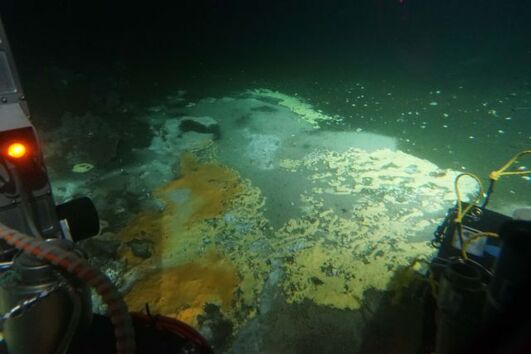
How do microbes thrive deep below the seafloor?The discovery of a subsurface biosphere in deeply buried marine sediments has fundamentally influenced our view of life on Earth as well as the potential for finding life on other exoplanets. It has long been suspected that hydrothermal heating of sediments during burial can increase the bioavailability of organic matter to microbes. We are analyzing deeply buried sediments collected from from Guaymas Basin (Gulf of California) to investigate hydrothermal carbon transformation and its role in supporting subsurface microbial populations.
Collaborator: Dr. Suni Shah Walter, University of Delaware |
Can microbes clean up oil spills in the Arctic Ocean?
|
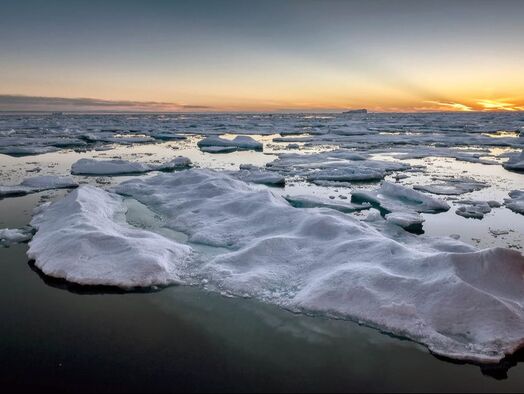
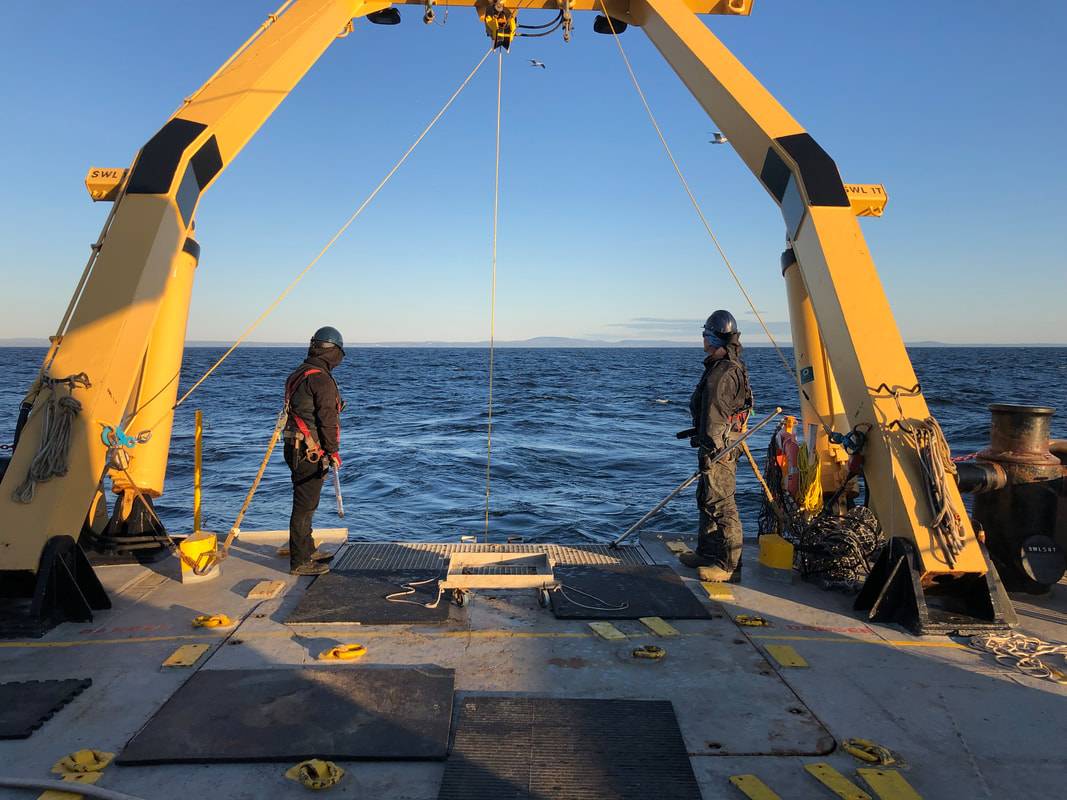
The Arctic is warming twice as fast as lower latitudes, leading to increased accessibility and greater potential for oil spills from shipping and resource extraction. Biodegradation of oil by naturally occurring microbes is one of the most effective and efficient mechanisms for cleaning up oil spills. Using a combination of high sensitivity genomic and remote sensing techniques, this work will develop a mechanistic understanding of microbial oil biodegradation in Arctic seawater and sea ice by conducting large-scale experiments at the Churchill Marine Observatory (CMO).
Collaborators: Dr. Eric Collins, University of Manitoba Dr. Gary Stern, University of Manitoba |
|
|
Resolving the bioavailability of deep ocean carbonThe oceans play a fundamental role in the global carbon cycle and store ~ 60 times more carbon than the atmosphere. Much of this carbon is comprised of small dissolved organic carbon molecules (DOC) which constitutes the second largest reservoir of organic carbon on the planet. By combining innovative analytical tools and experimental approaches from three distinct disciplines – microbial ecology, isotope geochemistry and enzymology – this project investigates the fate of deep ocean carbon and quantifies the vulnerability of DOC to microbial degradation.
Collaborators: Dr. Brett Walker, University of Ottawa Dr. Joelle Pelletier, Université de Montréal |